My First Photos:
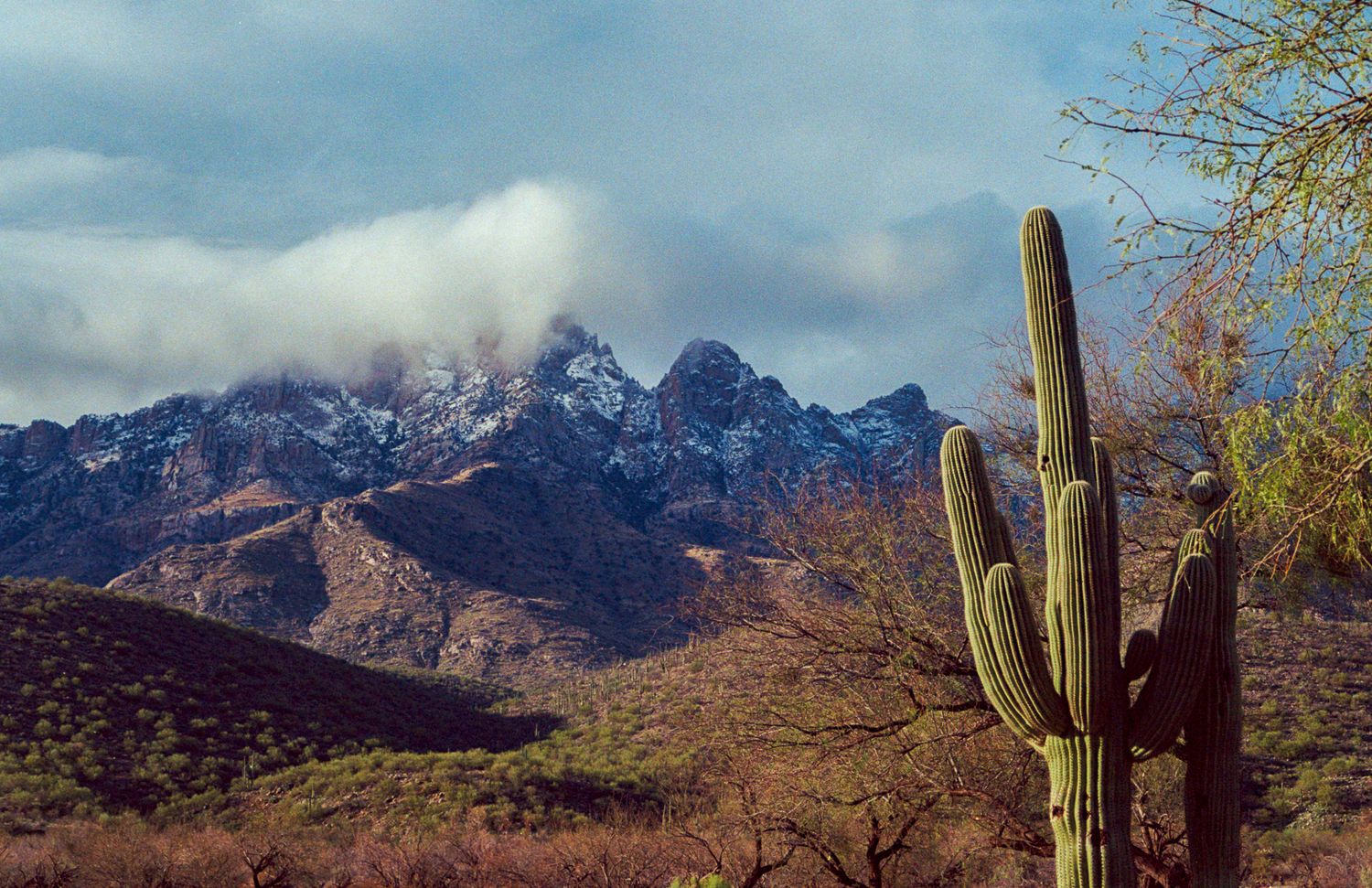
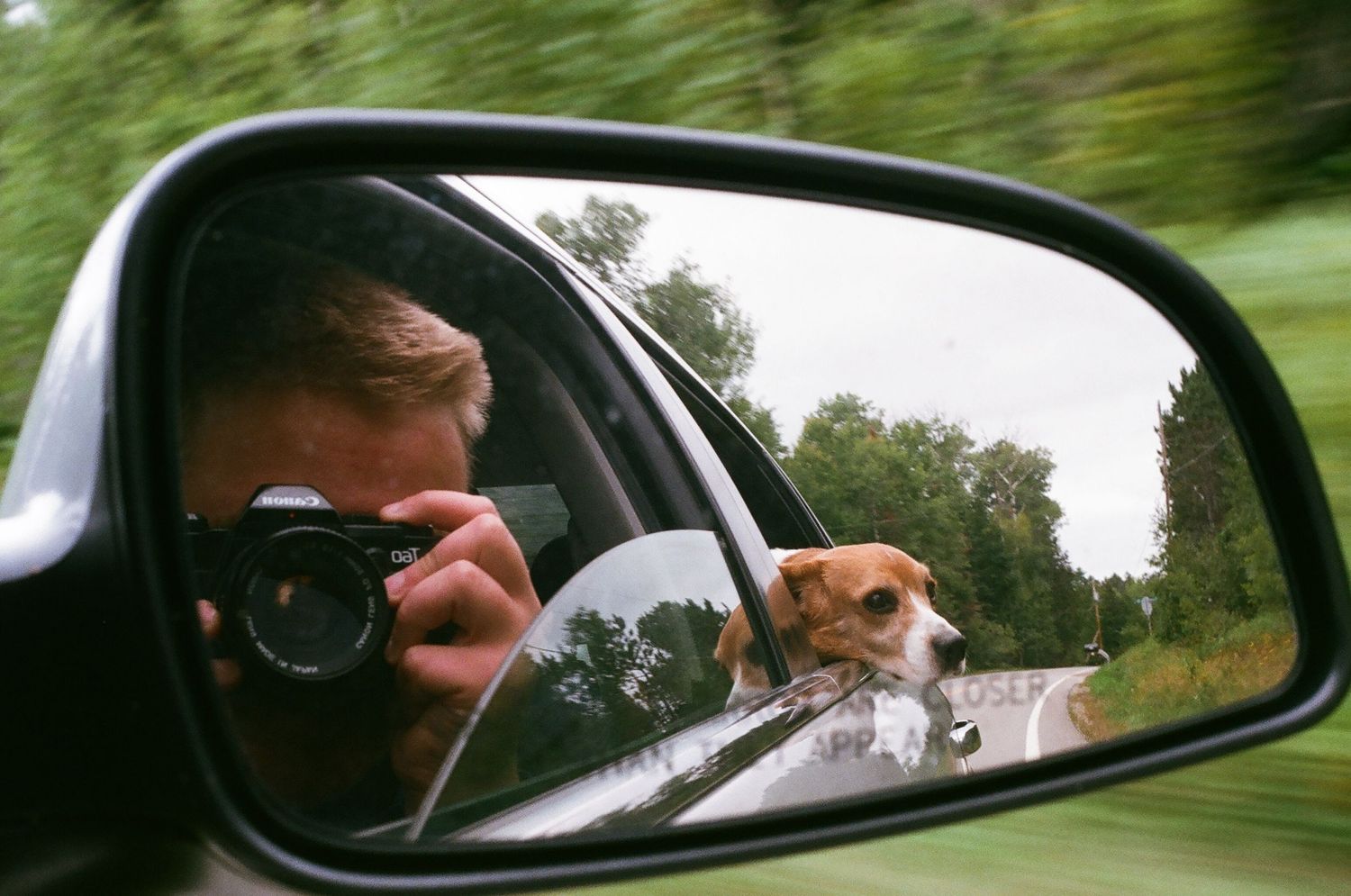
As a child, much of my summers were filled with adventures with my grandparents. At times we would travel far, from Texas to Michigan, or shorter distances to places around Minnesota. With each adventure, my trusty camera—a simple point-and-shoot film camera or a disposable one picked up from Walmart or CVS—was always ready. In the early 2000s, film was affordable, while digital cameras remained a luxury beyond my reach as a seven-year-old. I fondly recall filling one roll after another, rushing back to the car to reload under the shade, then dashing back out to capture more moments.
Reflecting on those times now, I treasure the memories I captured with my film cameras. The thrill of dropping off rolls at Walgreens for developing, eagerly returning an hour later to pick up the prints, remains vivid. Back then, disappointment over imperfect photos never lingered; I'd usually shoot through a dozen rolls or more before developing, often forgetting the specifics of what I had captured. Each time, collecting the prints was a moment of excitement, racing back to the car to eagerly peruse the newly developed images.
Many of those early photographs still hold a place in my collection today. Thanks to modern technology like scanners and printers, I've been able to digitize some of these cherished images, preserving them for years to come.
My First Digital Camera
Around the age of 13, I made the decision to leave film behind and invest in my first digital camera. Up until then, I had primarily used my mom's digital point-and-shoot for capturing photos. Once I had my own digital camera in hand, I felt there was no turning back. Initially overwhelmed by the array of settings, I quickly adapted, learning to navigate manual mode and capture stunning images.
I remember experimenting with different settings, snapping photos and instantly viewing them on the screen. Sometimes my exposures were off—either too bright or too dark—and I'd adjust settings to achieve the perfect shot. There were instances where I'd photograph a scene multiple times from different angles, striving for the ideal composition. Trips often yielded hundreds of photos by the time I returned home.
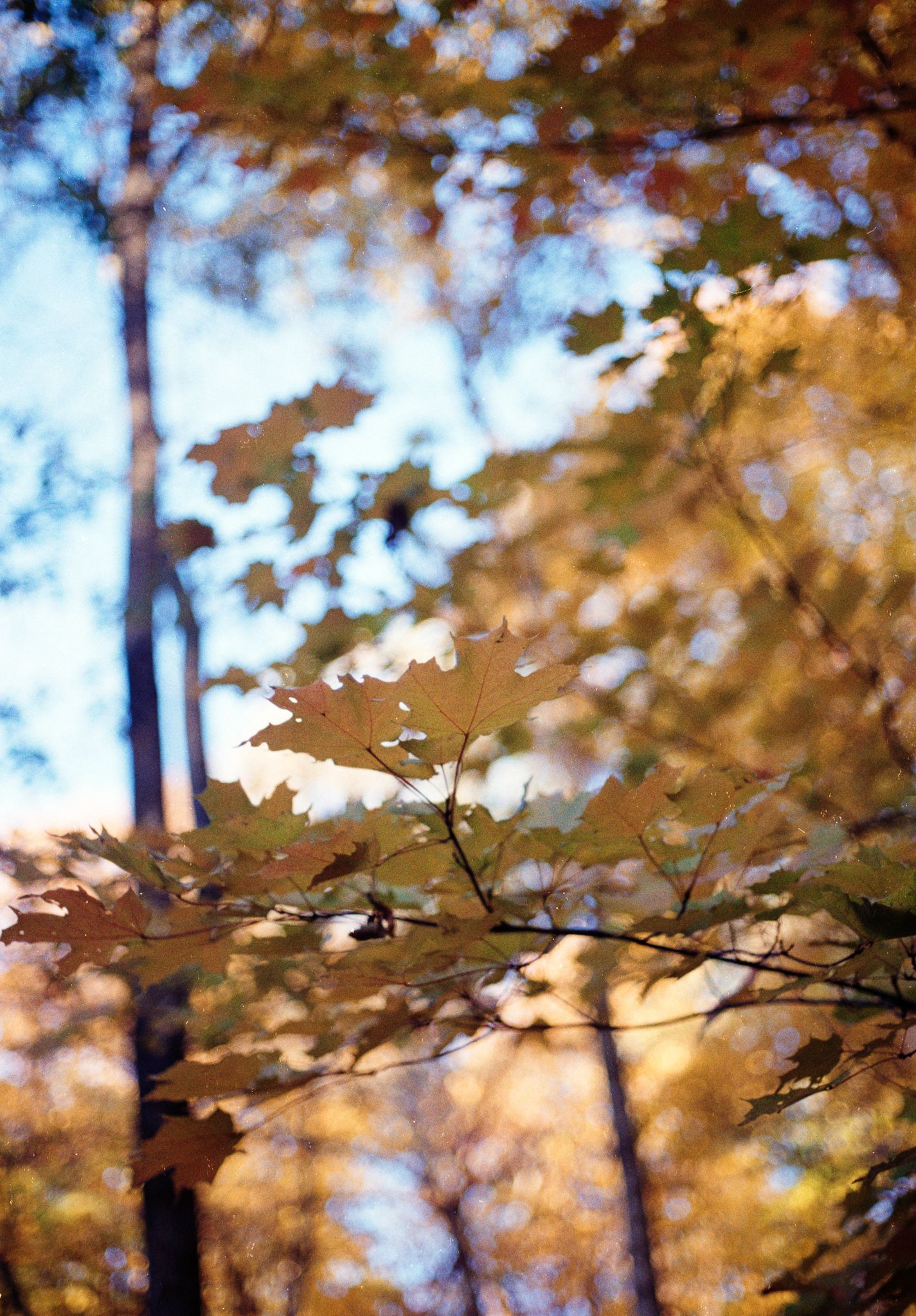
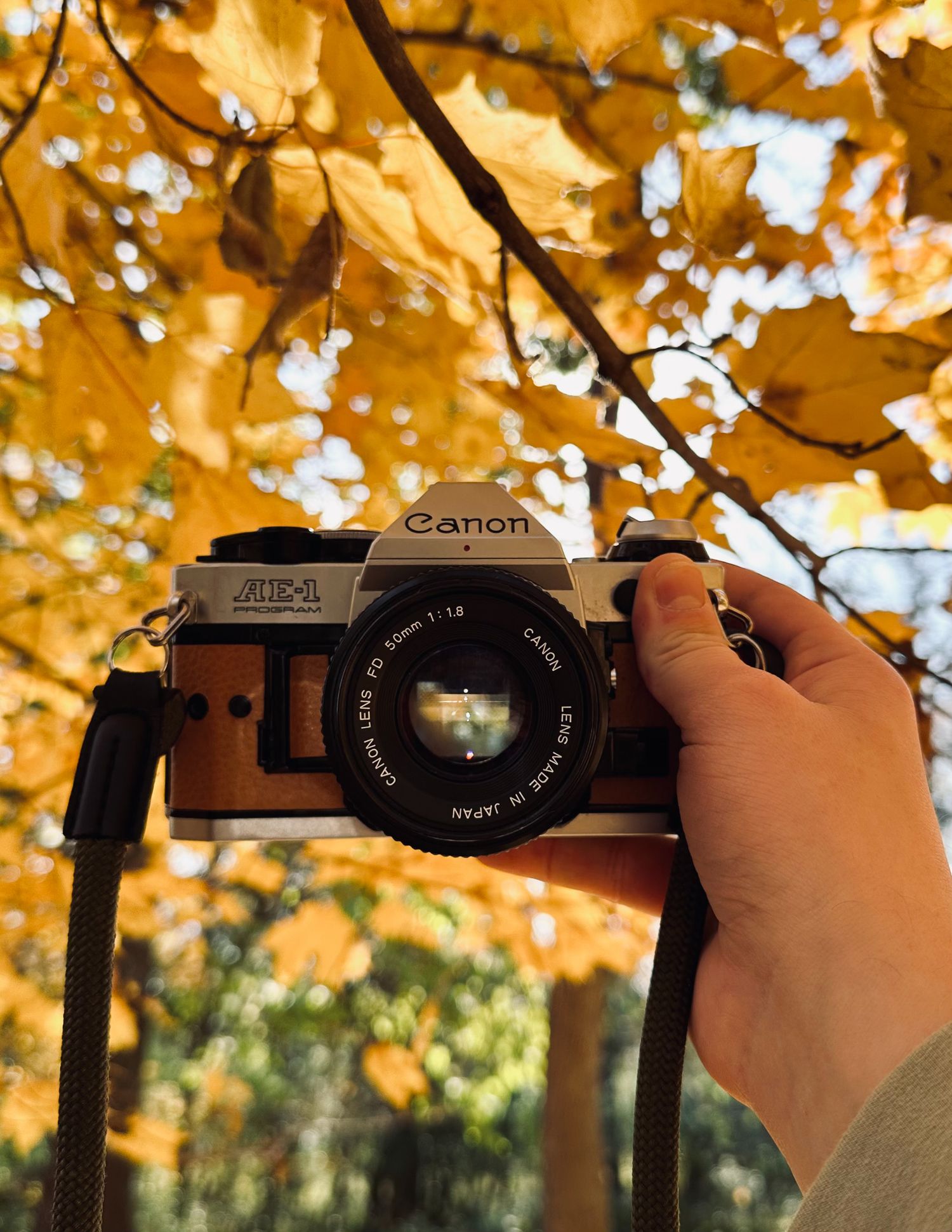
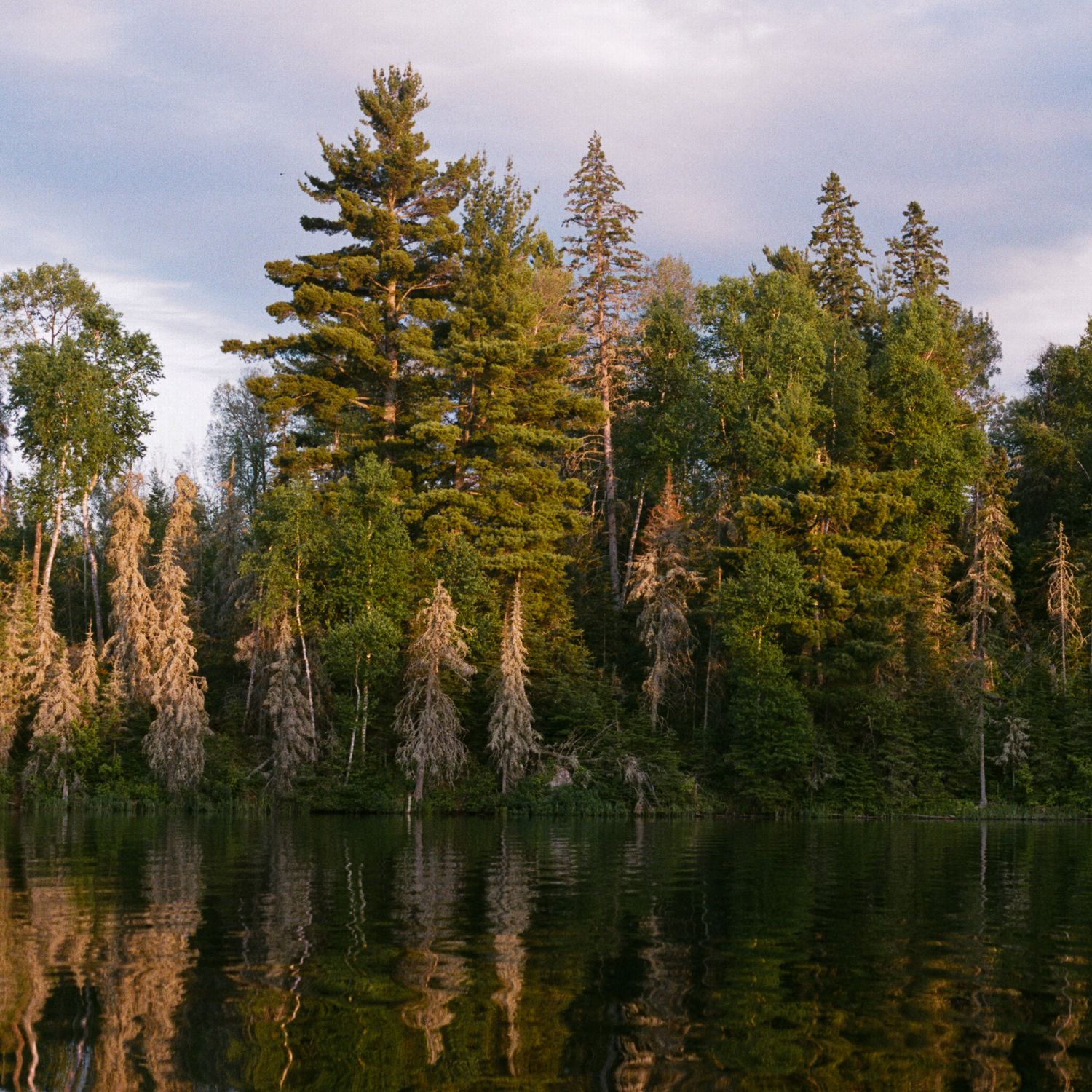
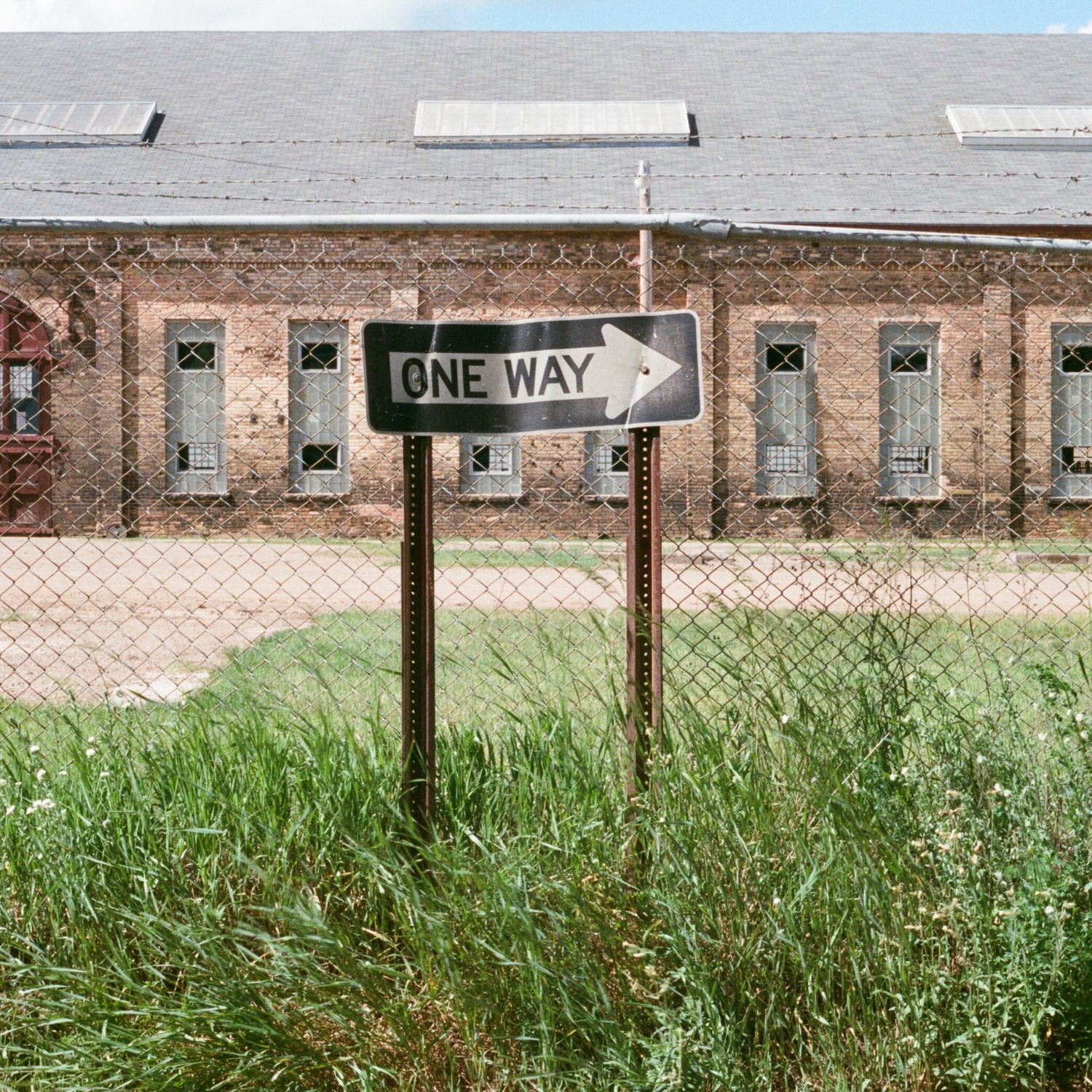
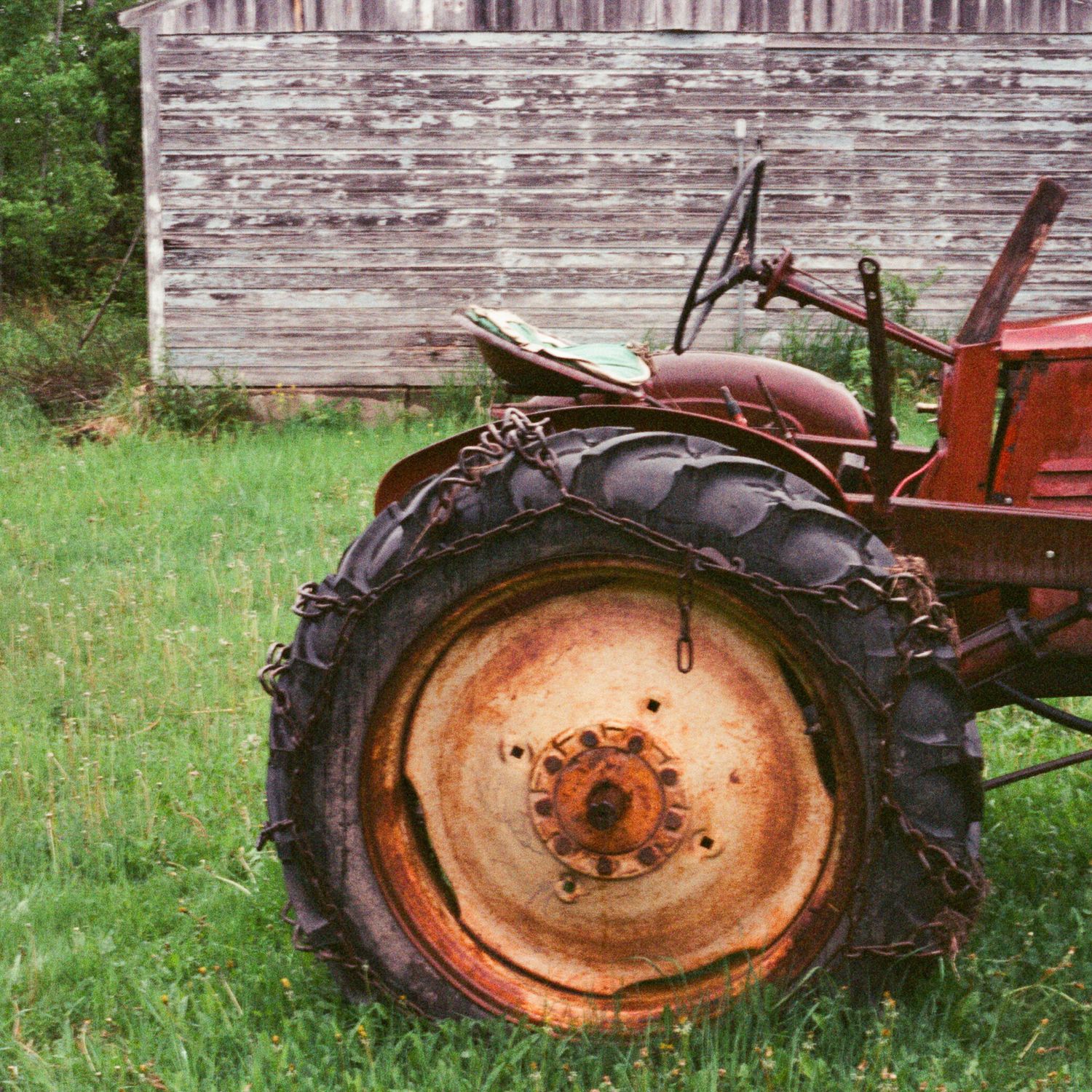
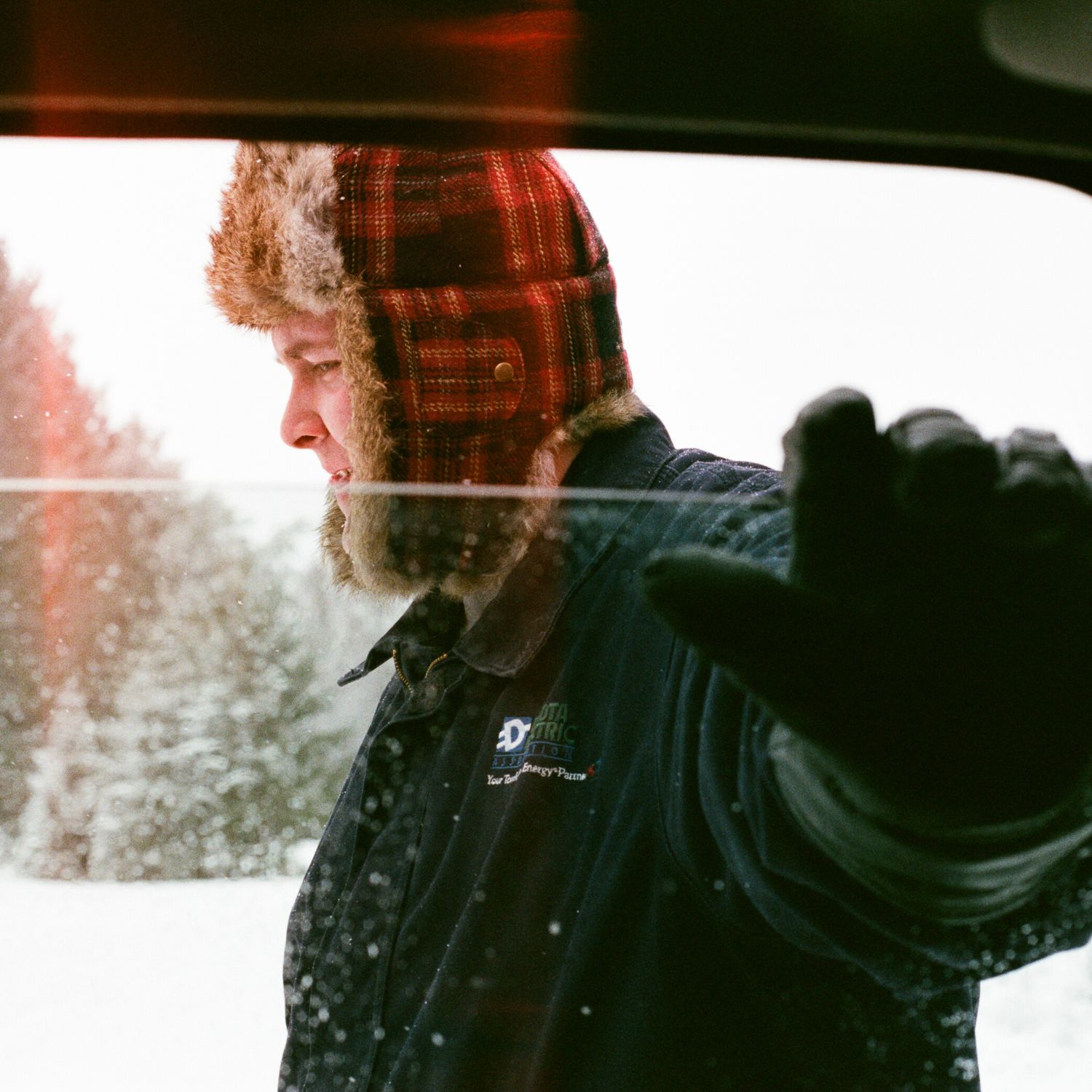
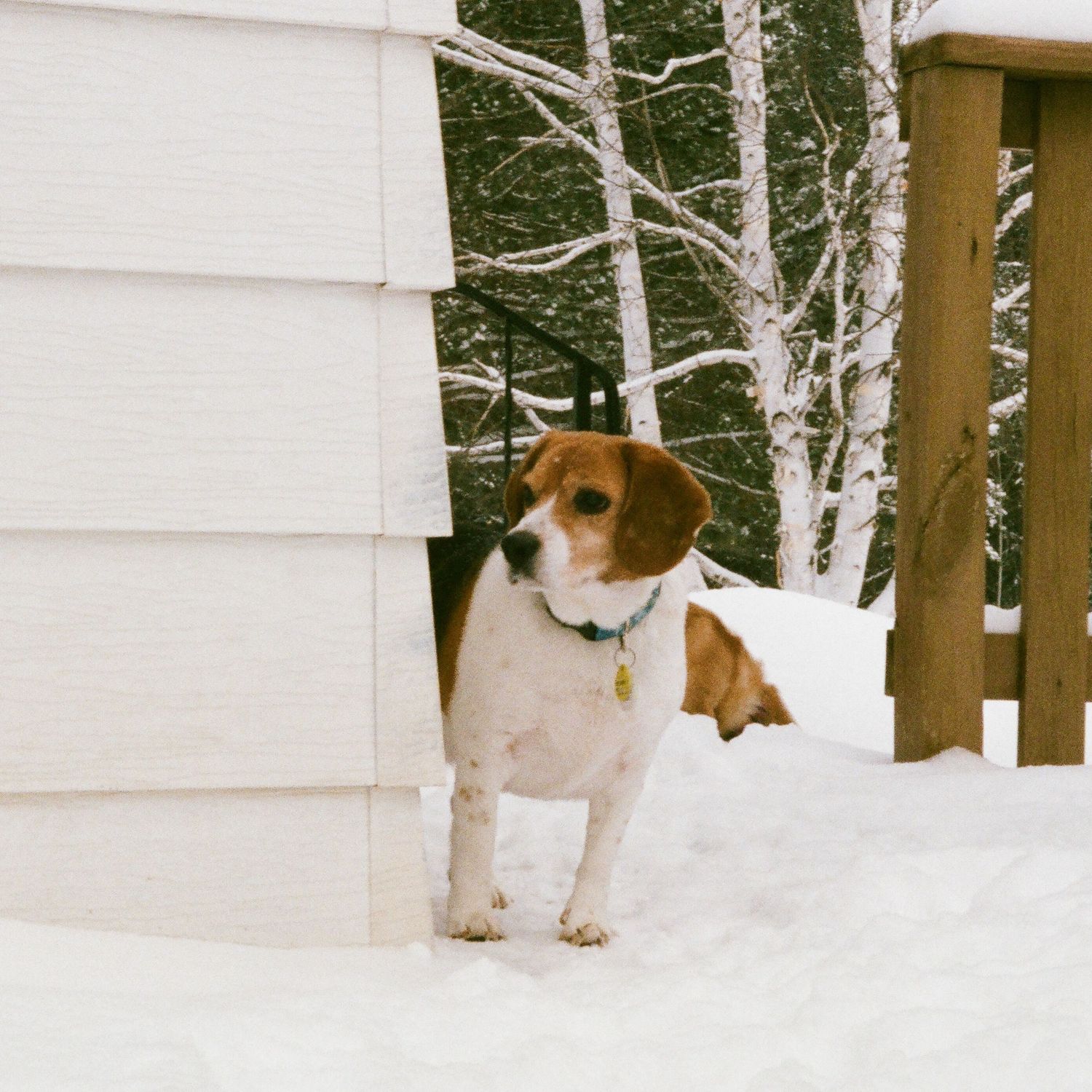
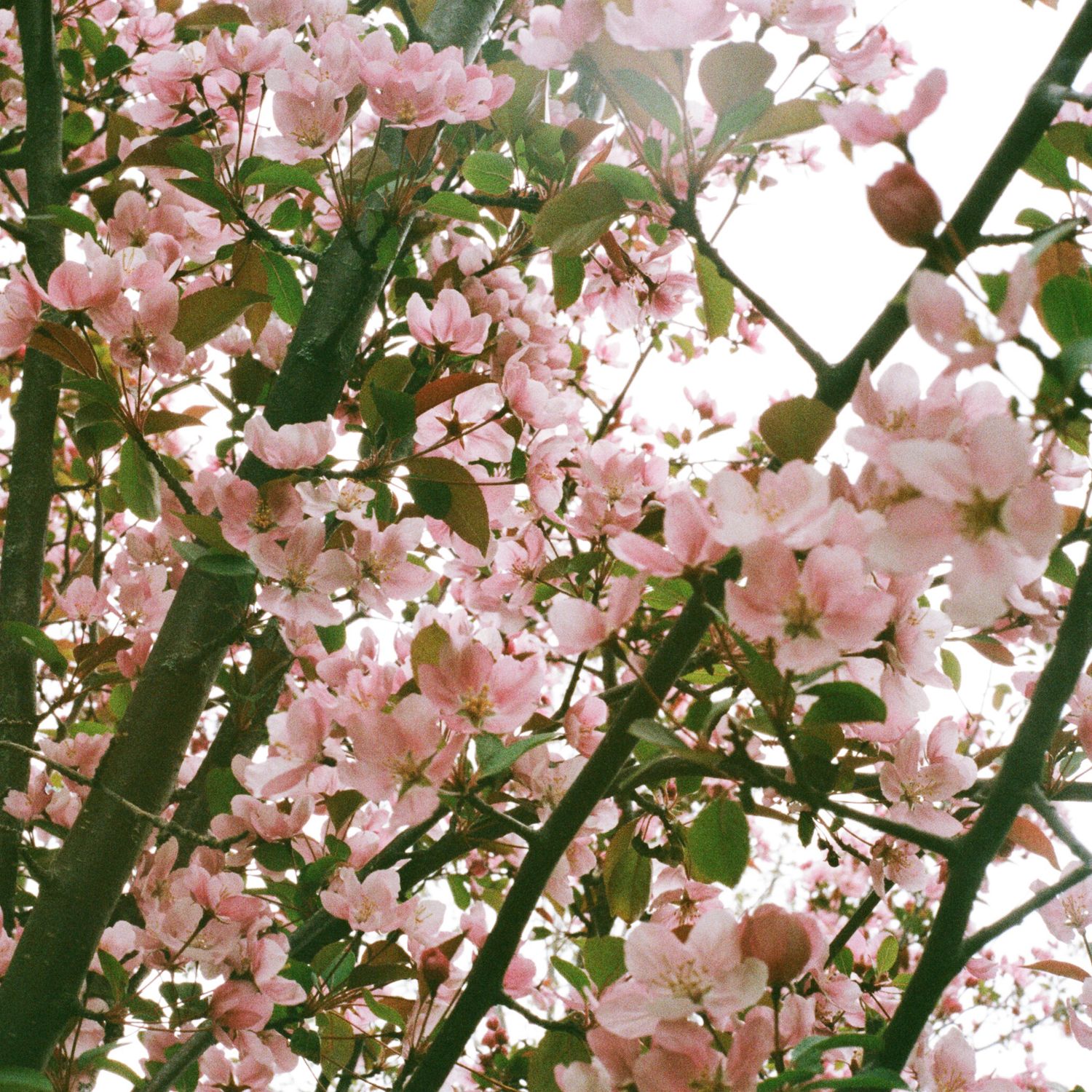
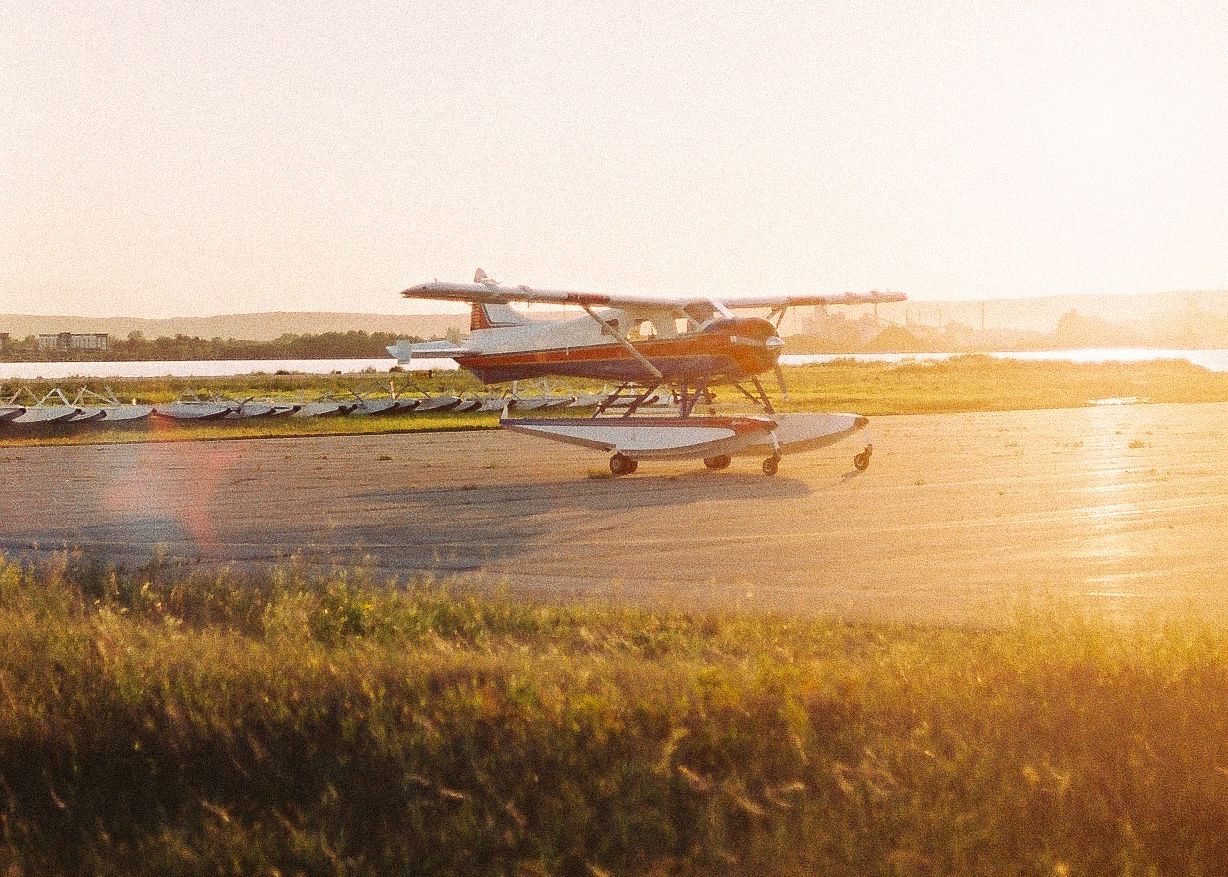
After a few years, I began to feel a sense of creative stagnation in my photography. Something felt amiss, prompting me to revisit my film camera—a Canon AE-1 I had purchased for just $5 at a garage sale. I picked up a four-pack of Fujifilm Superia 35mm film from Walgreens (priced at $7 back then, now nearly $25 for a three-pack) along with a camera battery, and immersed myself in shooting predominantly with film from that summer into the winter. I soon discovered a love for film photography, and the adventure that came along with it.
What Film Photography Taught Me
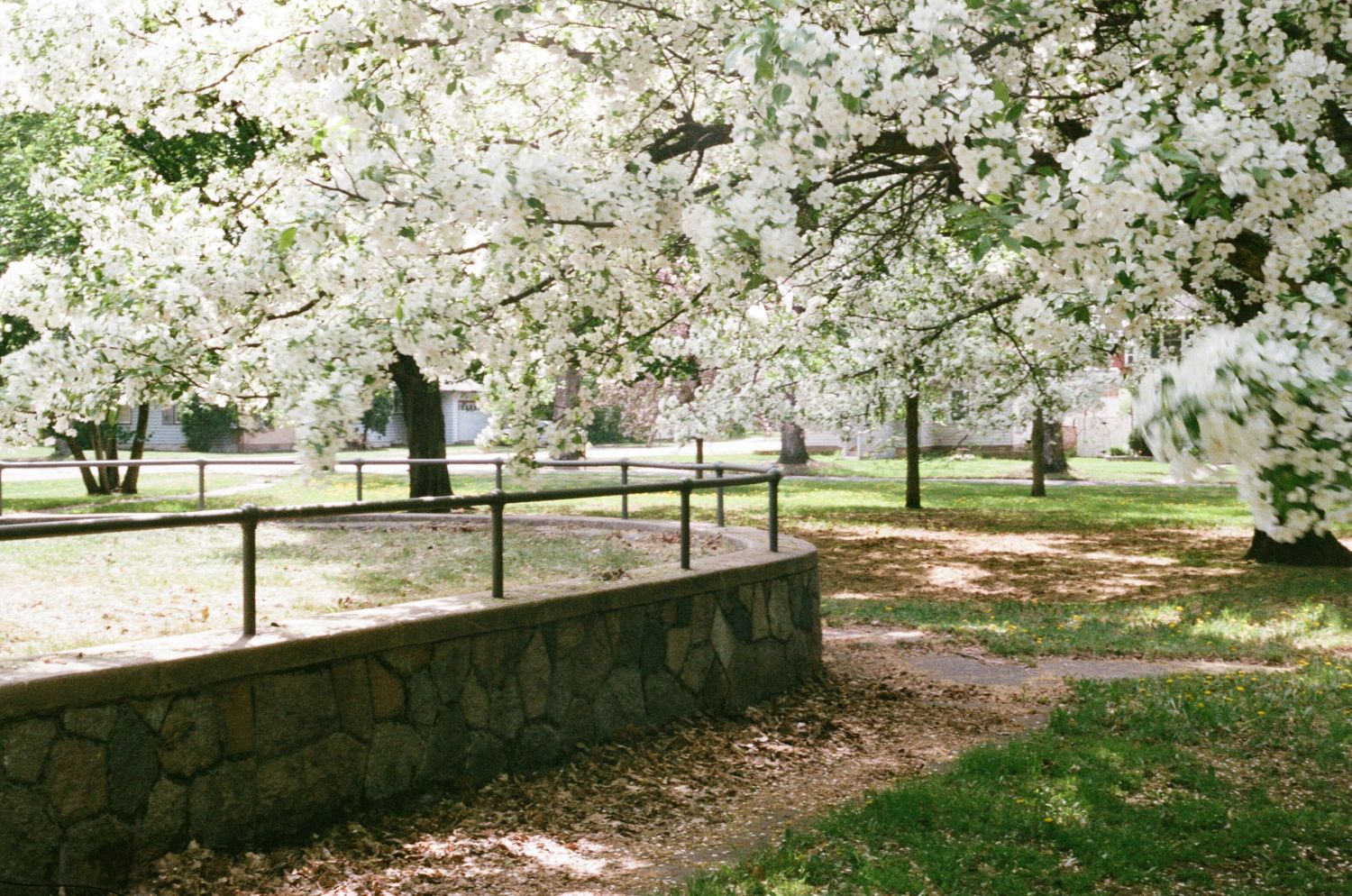
In high school, I rediscovered my passion for film photography. My trusted Canon AE-1 became a constant companion on every adventure—whether kayaking, hiking, or chasing sunsets. As I shot through each roll of film, I quickly remembered why I fell in love with film in the first place: it encouraged me to live in the moment.
Without a digital screen to review my shots, I had to trust my instincts and the guidance of my light meter. I would capture the image, hope for the best, and then continue with my journey. This process forced me to focus more on the present moment and what I was experiencing through the lens.
With only 36 exposures per roll, I became deliberate in my photography, carefully framing each shot to capture the scene how I saw it. I found myself experimenting with different angles and perspectives, honing my ability to visually interpret the world around me. Instead of relying on immediate feedback from a digital screen, I focused on capturing scenes as I saw them, expanding both technical skill and creative growth in my photography journey.
Picking up Film Again
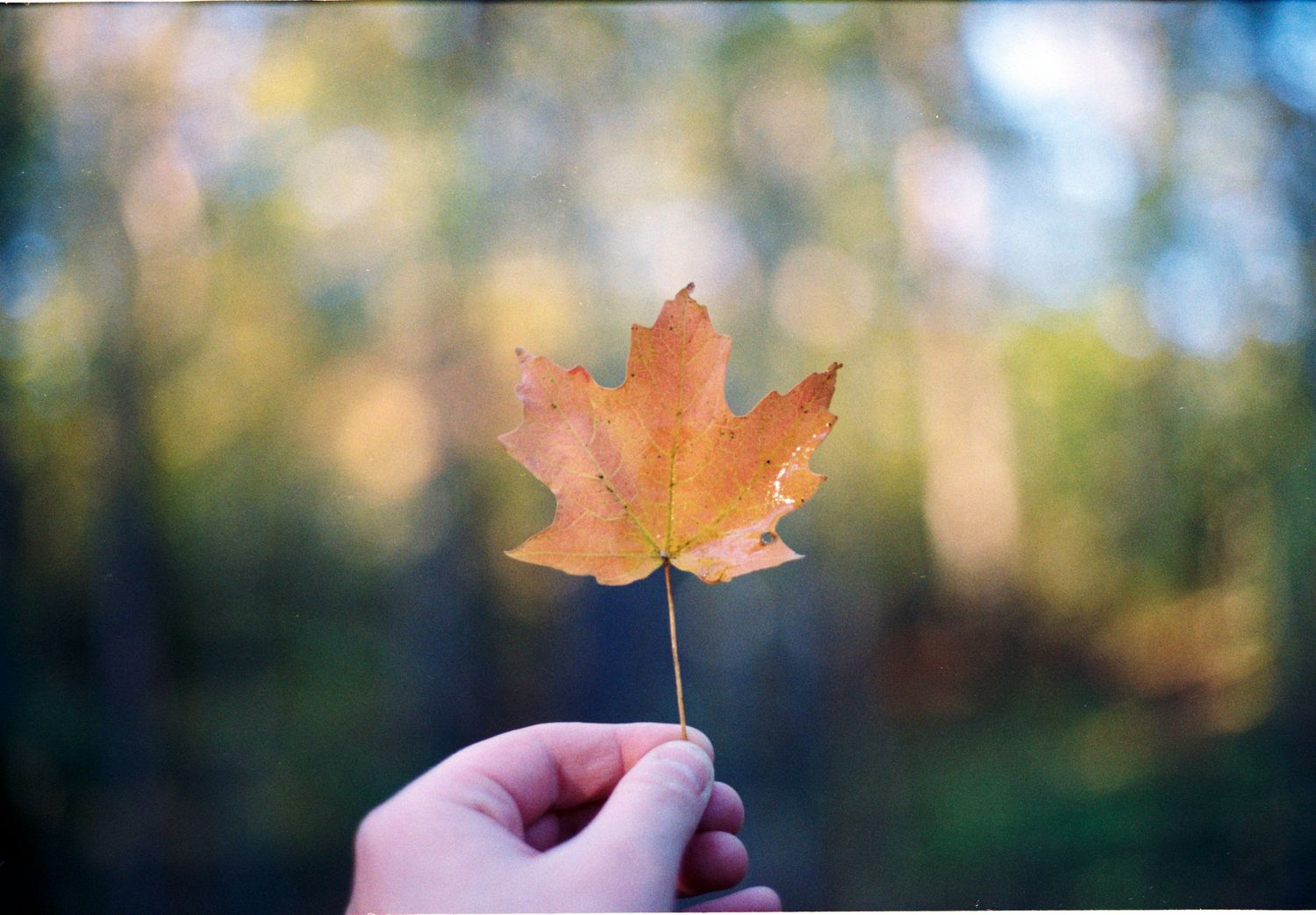
Since high school, I hadn't used film much. There were a couple of occasions when I shot through some rolls, but I found it challenging due to the limited availability of film and the sometimes the expensive costs of development. Last year, feeling a sense of creative stagnation once again, I decided to revisit film photography. However, I encountered new challenges.
Film had become significantly more expensive, with a single roll costing $9 or more. Additionally, I struggled with the scanning process after developing. While labs offered scanning services, I found the quality often lacking. I soon decided if I was going to shoot with film, I would need to get a film scanner & learn to develop photos myself.
After purchasing my film scanner, I managed to reduce developing costs to approximately $5 per roll. Despite having the scanner, I remained curious about developing film on my own and eventually delved into experimenting with black and white film using coffee as a developer.
Developing with Coffee
While browsing online, I stumbled upon a video demonstrating how to develop black and white film using coffee. Despite feeling a bit apprehensive about trying it myself, I reasoned that if I could buy the ingredients at the grocery store, I could give it a shot at home. With a developing tank already purchased from a thrift shop, all I needed was a recipe to get started. After finding one online, I headed to the grocery store for instant coffee, washing soda, and a few other essentials.
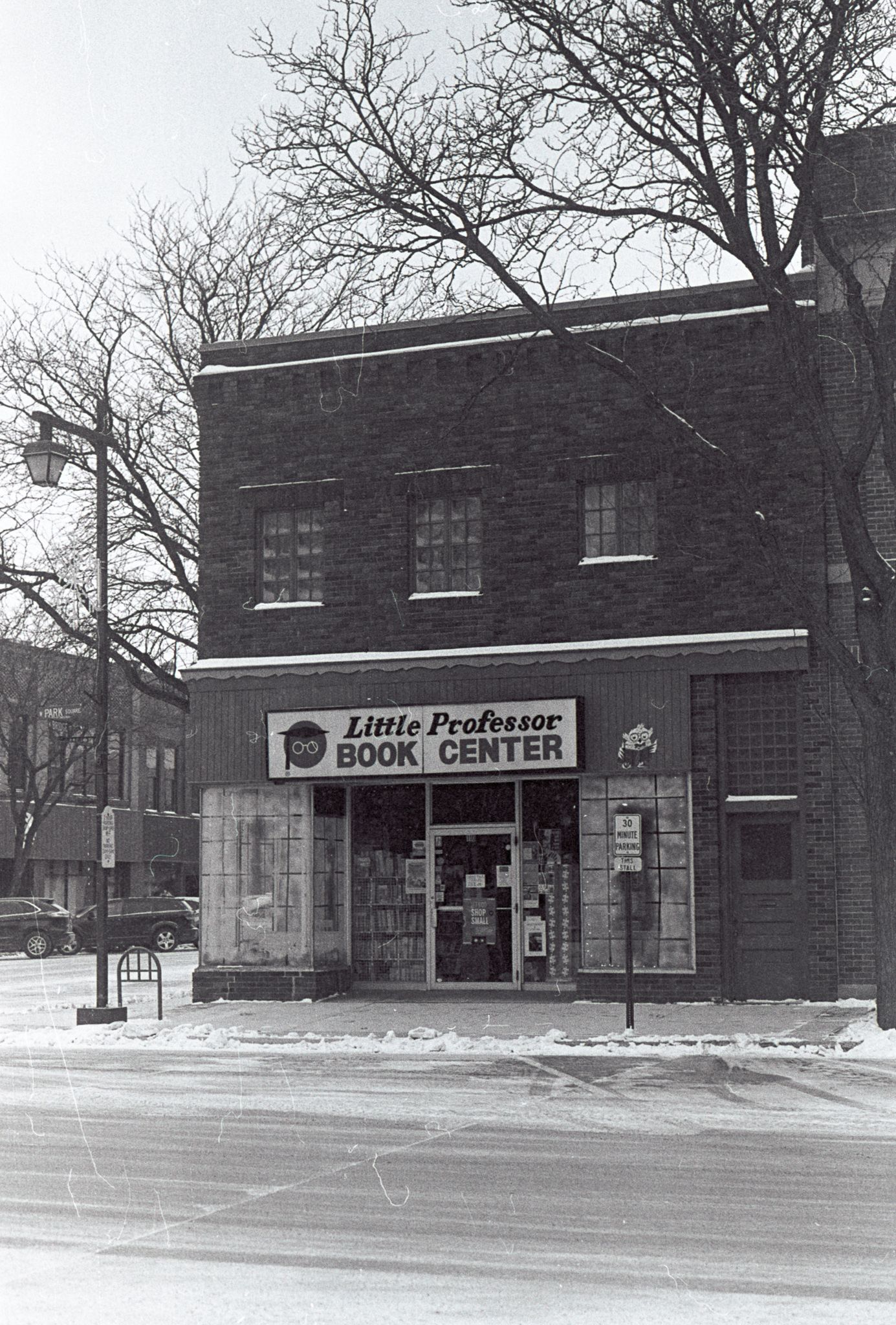
Back home, armed with my supplies, I loaded my film into the developing tank and mixed up the developer according to the recipe. The process called for about 12 minutes for the film to develop, which felt like an eternity. When the timer finally chimed, I rinsed the tank and cautiously retrieved the film to dry. To my surprise and delight, there were actual images on the negatives. Holding them up to the light, I realized I was looking at real photographs, not digital images.
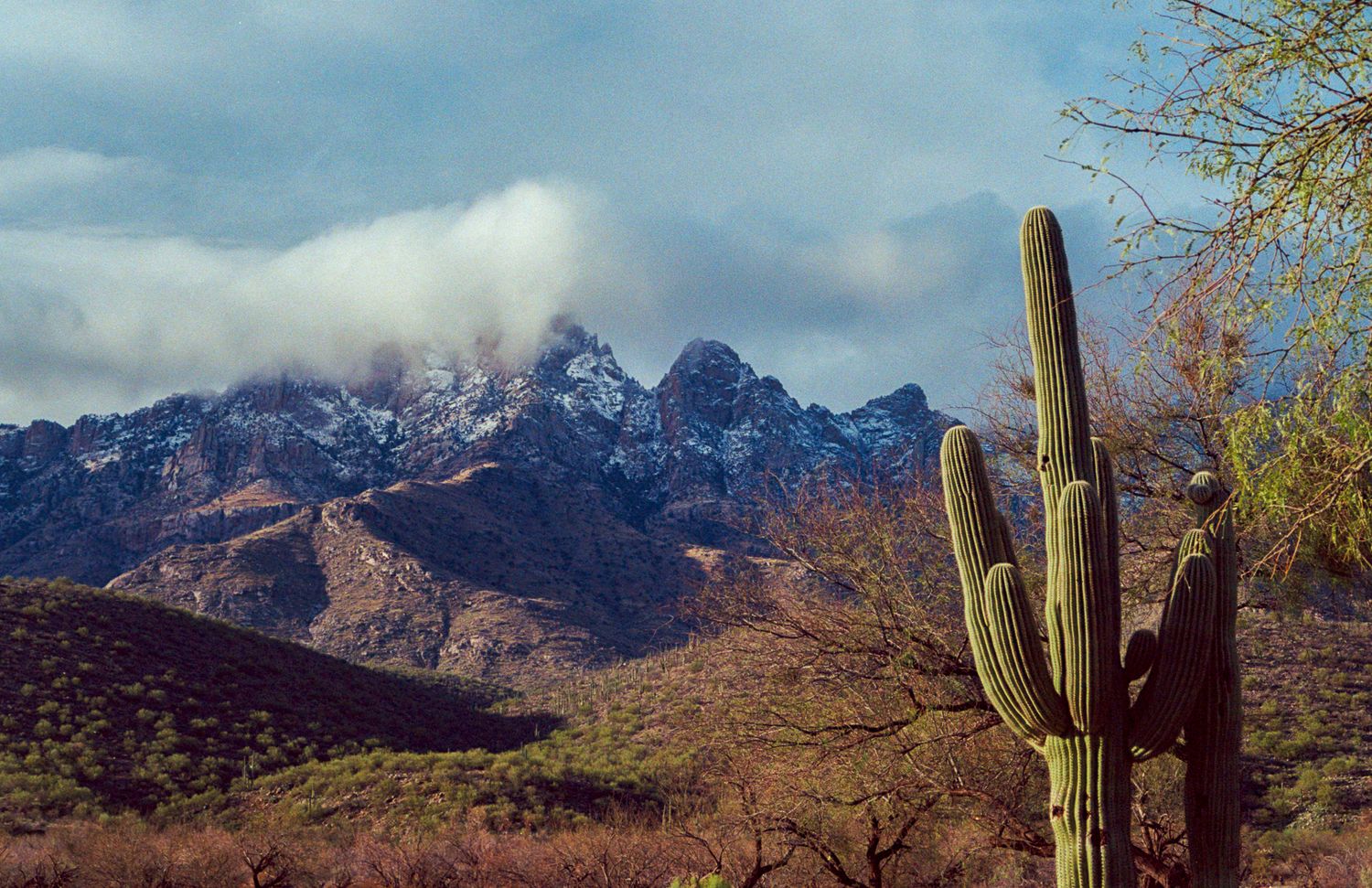
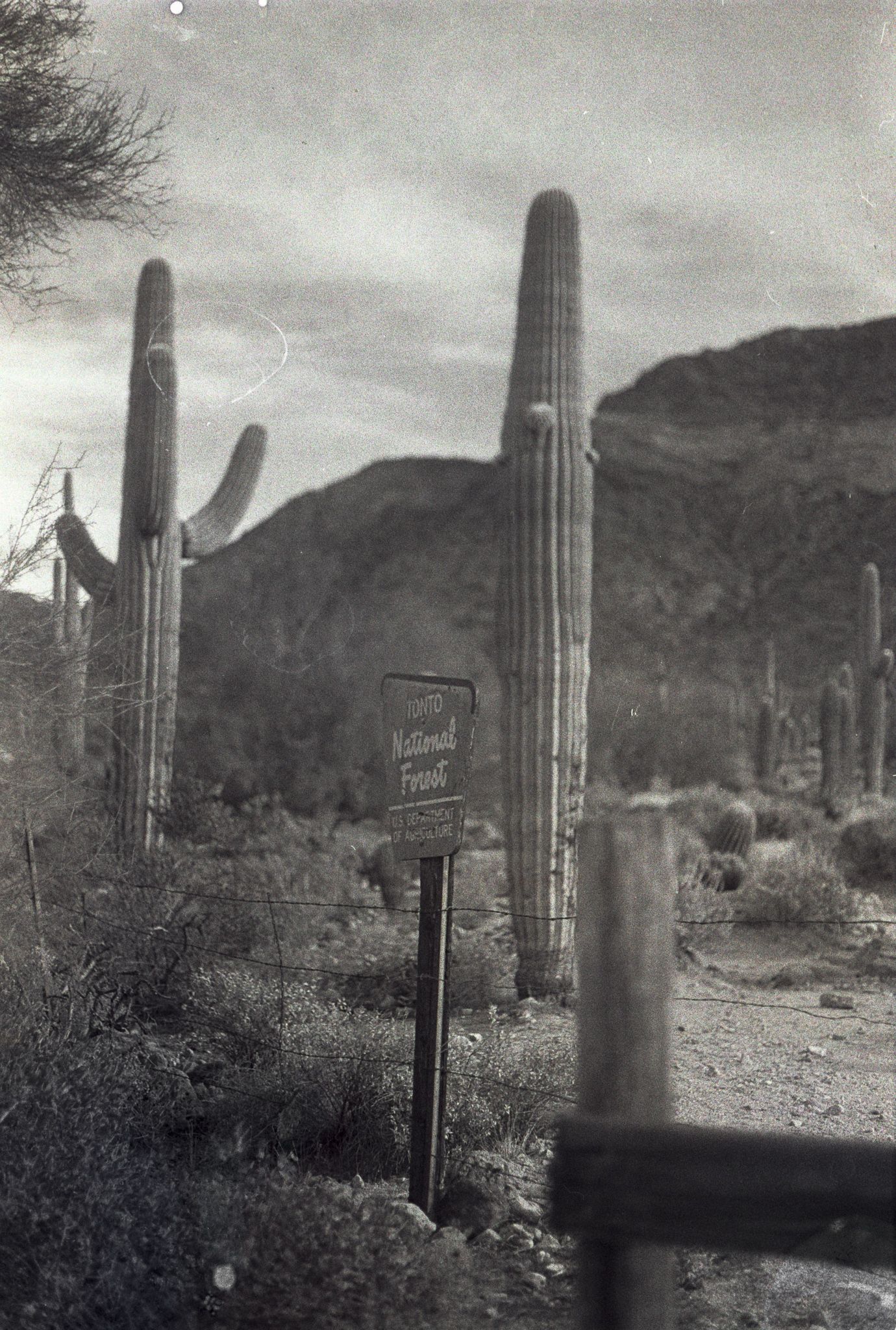
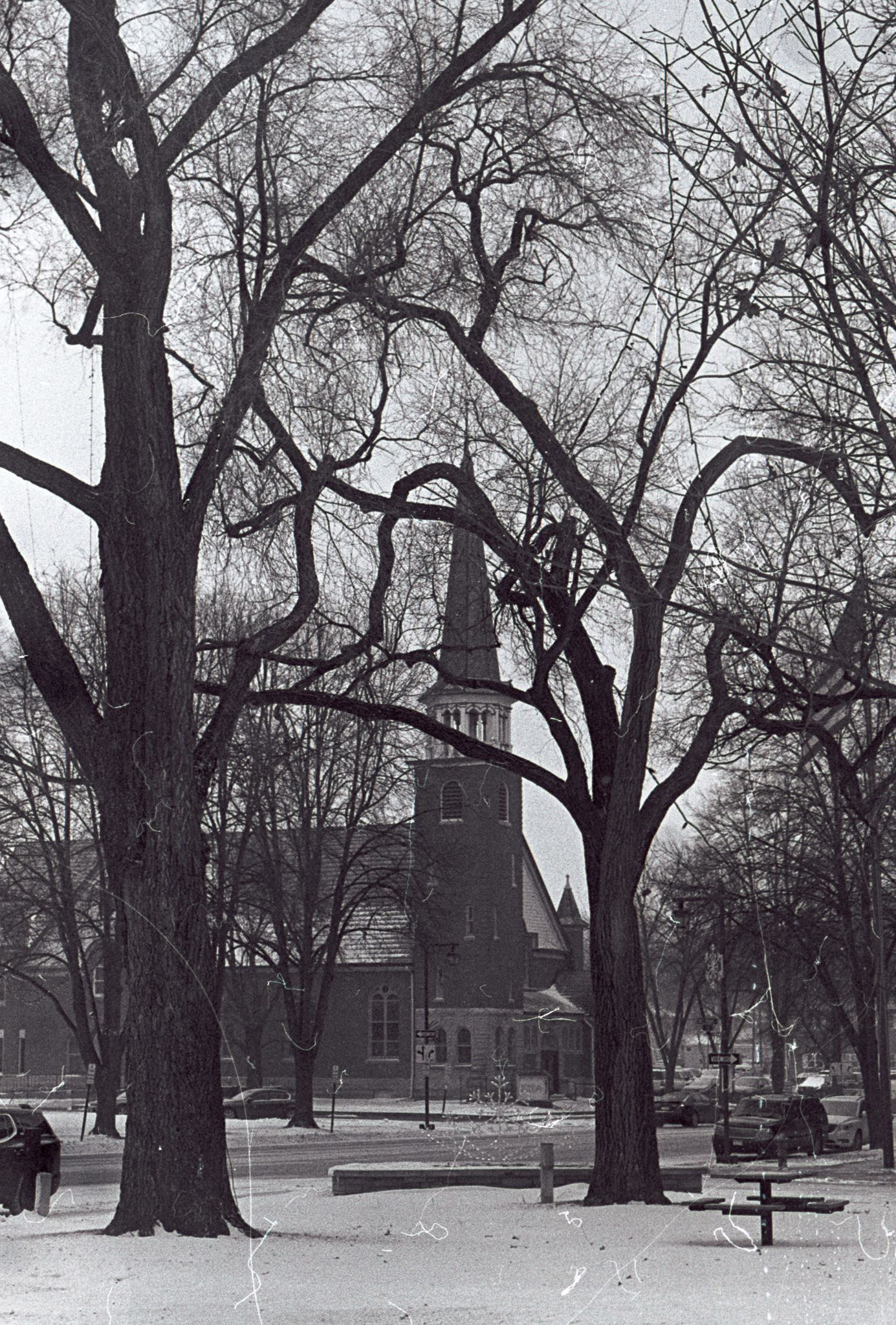
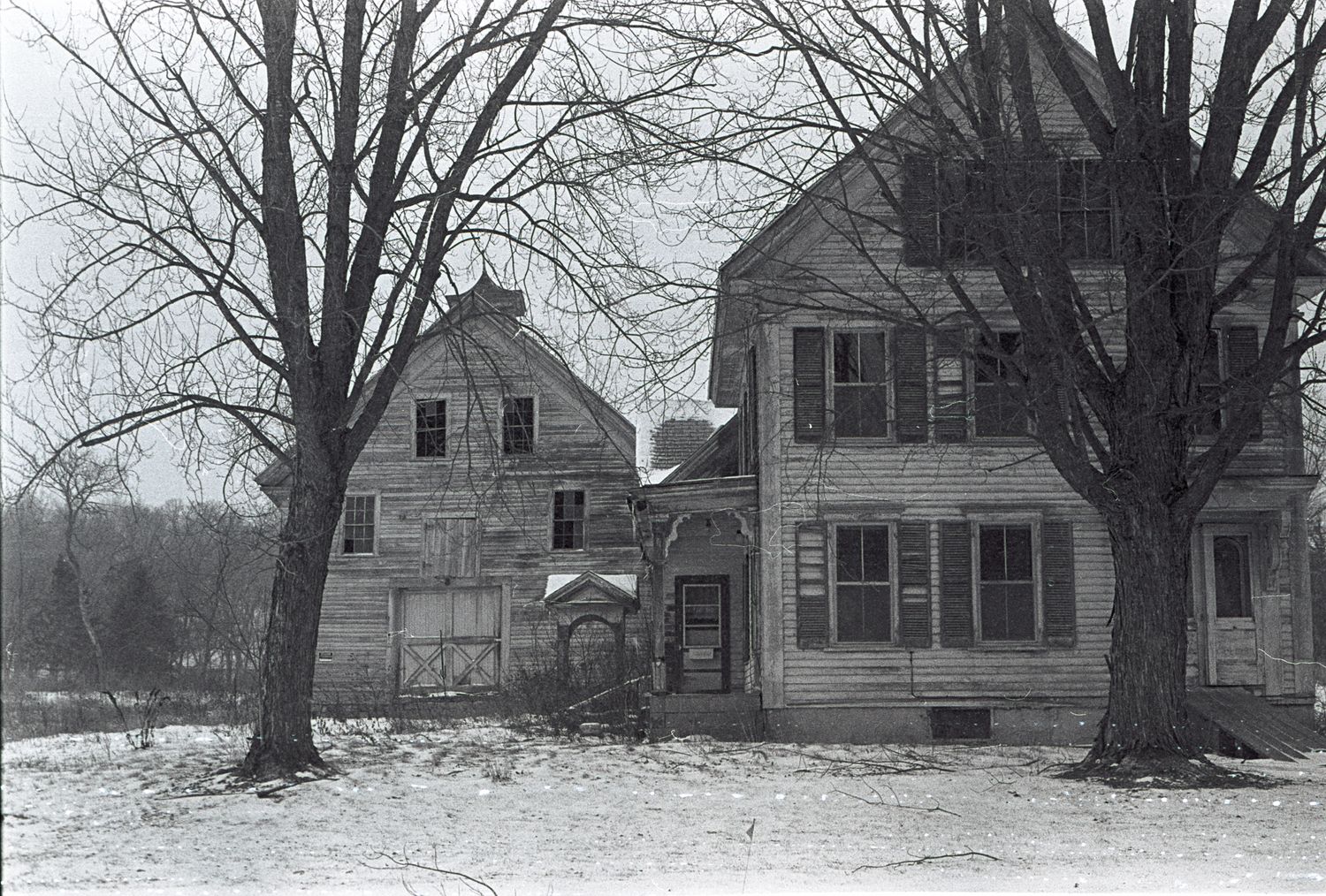
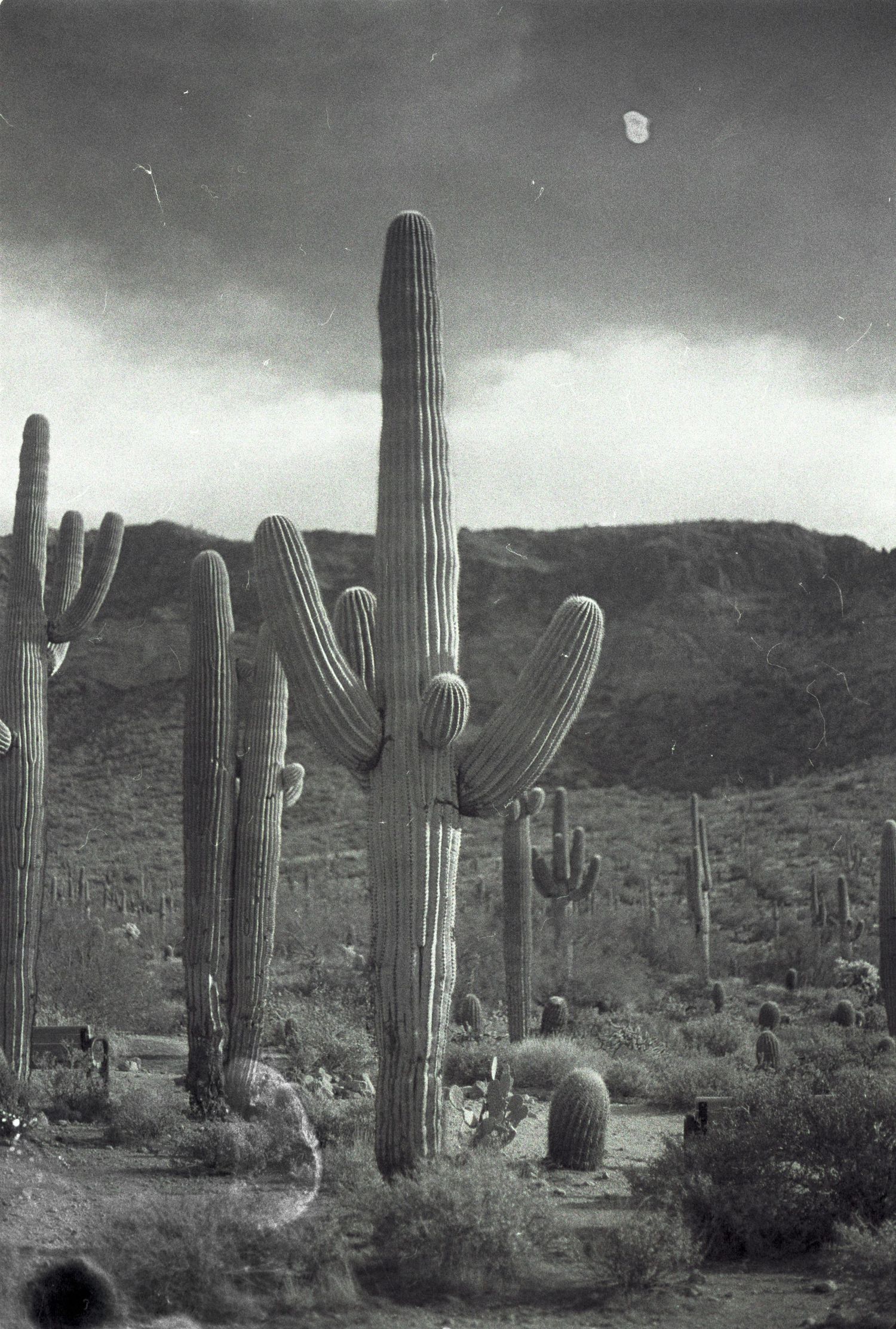
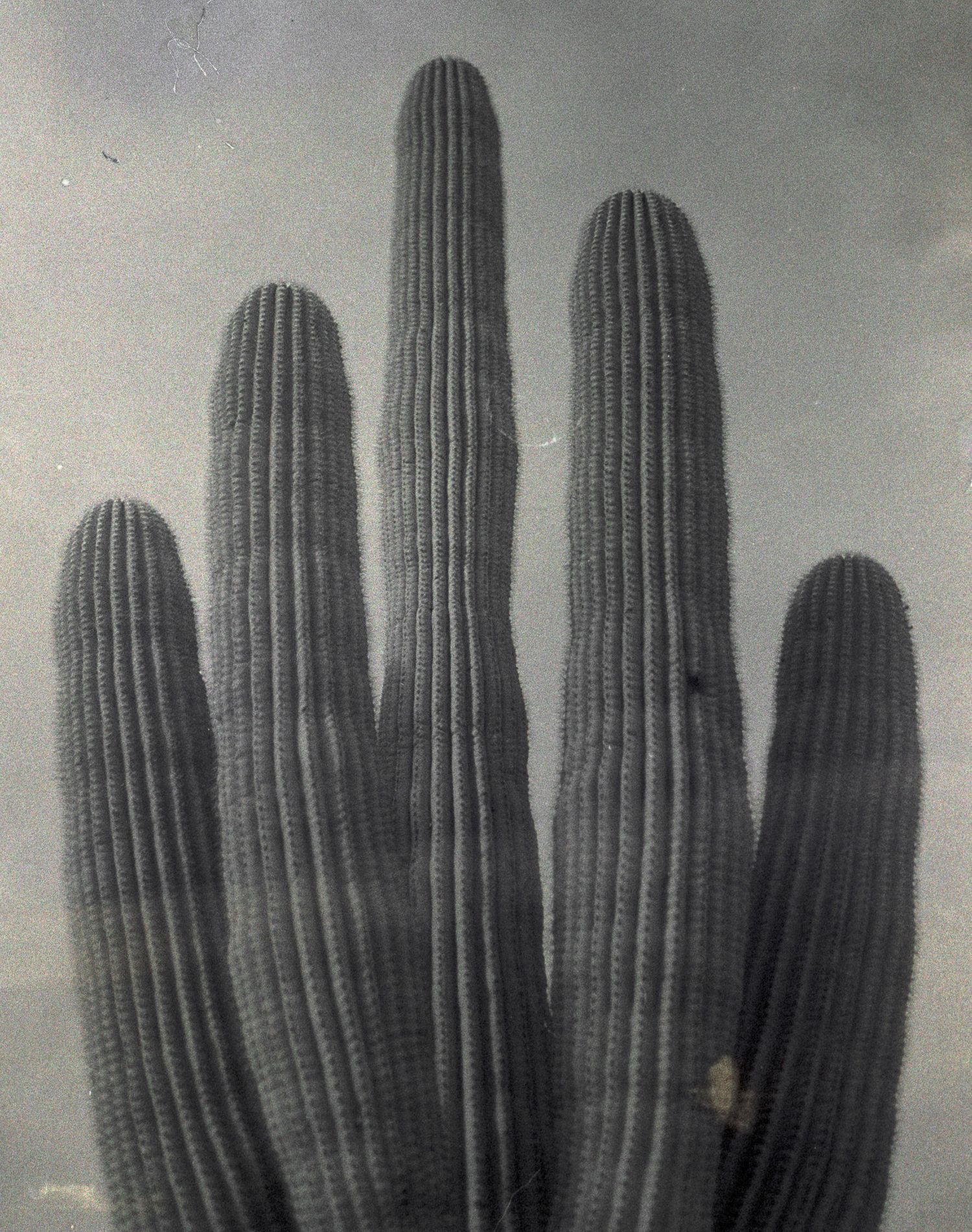
This initial success spurred me to continue developing black and white film at home. A week later, during a short trip to Arizona to visit my grandparents, I brought along my film camera. Having ordered film beforehand and shipped it to their place, I specifically had one black and white roll I planned to develop myself upon returning home. While in Arizona I decided I wanted to photograph the Saguaro cactus with my one roll of black and white film.
Once back, I wasted no time in developing the roll in my laundry area. After the negatives dried, I eagerly scanned them. While I knew they wouldn't be flawless, I loved the vintage appearance they all possessed, reminiscent of the Wild West era. Below, I've included photos from my first foray into developing and a few shots from the roll taken in Arizona.
If you're interested in film photography, I encourage you to dive right in. Keep an eye out for film cameras at thrift shops, garage sales, and antique stores—they can often be hidden treasures waiting to be discovered. Experiment with different locations; you might uncover something unique and compelling to photograph.
While film photography can be a bit pricey, the experience is invaluable. It encourages you to live in the moment, expands your creativity, and allows you to capture stunning photos with that classic, timeless film aesthetic. It's a journey that's well worth the investment.